

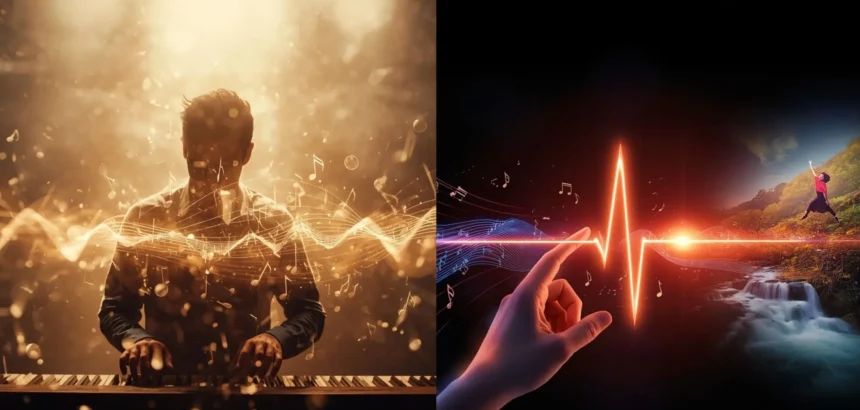
Pulsamento is a word that might sound unfamiliar at first, but it plays a vital role in understanding rhythm in our daily lives. Simply put, pulsamento is the steady pulse or beat that underlies movement, music, and natural cycles. Think of it as the heartbeat of everything that moves, flows, or progresses. From the music we listen to, the rhythm of our steps while walking, to the cycles of nature around us, pulsamento is the hidden force that creates structure and flow. It is not just a musical term—it is a concept that bridges the world of art, science, and life itself.
Understanding pulsamento helps us recognize patterns, improve timing, and even feel more connected with the world. For musicians, it forms the backbone of rhythm, allowing them to stay in sync with others. For everyday life, pulsamento is the rhythm in our routines, in our breathing, and in the very flow of our environment. Observing pulsamento can help us become more mindful, balanced, and aware of the subtle beats that influence our world.
| Aspect | Description |
|---|---|
| Meaning | Steady pulse or beat in music, life, or nature |
| Origin | Italian/Latin roots meaning “to beat” |
| Key Uses | Music, biology, daily routines, natural cycles |
What Pulsamento Really Means
Pulsamento is more than just a beat—it is a continuous rhythm that organizes patterns. Its roots come from Italian and Latin, where the word means “to beat” or “to pulse.” Unlike a simple pulse that is singular or momentary, pulsamento represents a flowing, consistent energy that gives structure to movements, sounds, and cycles. It is often used in music to refer to the underlying beat that keeps a composition cohesive, but the concept can be applied to biology, daily life, and even natural phenomena.
Many people confuse pulsamento with rhythm or tempo, but there are subtle differences. Rhythm refers to patterns within the beat, while tempo indicates the speed of those patterns. Pulsamento, on the other hand, is the steady underlying pulse that holds everything together, like the invisible thread connecting all moments. Recognizing pulsamento can help us perceive harmony in life, notice timing in communication, and even improve coordination in movement-based activities.
Pulsamento in Music
In music, pulsamento is the heartbeat that drives a composition. It is what allows musicians to stay in sync, giving life to melody and harmony. Without pulsamento, music would lose its structure, becoming a random series of notes without feeling or direction. Musicians often internalize pulsamento through practice, using metronomes, clapping exercises, or even body movements like tapping feet. These methods train them to feel the pulse naturally and maintain it throughout performance.
Different musical genres use pulsamento in unique ways. For example, in flamenco, pulsamento is strongly felt in footwork patterns and guitar rhythms, while in jazz it can be subtle, allowing improvisation over a flexible beat. Pop and electronic music often emphasize pulsamento in basslines or drum patterns to create energy. Understanding pulsamento in music enhances expression, timing, and emotional impact, allowing listeners and performers to experience a sense of flow and connectedness.
| Genre | Pulsamento Usage |
|---|---|
| Classical | Maintains steady tempo across complex arrangements |
| Jazz | Supports improvisation with underlying steady pulse |
| Latin/Flamenco | Guides dance movements and rhythmic accents |
| Pop/Electronic | Creates energy and groove through beats and basslines |
Pulsamento in Nature & the Human Body
Pulsamento exists not just in music but also in biology and natural systems. The most familiar example is the human heartbeat, which provides a constant, rhythmic pulse essential for life. Breathing patterns, brain waves, and neural signals also follow pulsamento, demonstrating that rhythm is a fundamental part of bodily functions. The consistency of these pulses ensures health, coordination, and balance in both physical and mental processes.
Nature also exhibits pulsamento in its patterns. Tides, seasonal cycles, and day-night rhythms all show consistent beats that guide life on Earth. When these natural pulsamenti are disrupted—for example, through irregular sleep patterns or environmental changes—it can affect both humans and ecosystems. Recognizing and aligning with these natural pulses can improve well-being, productivity, and our connection to the environment.
Pulsamento Beyond Science: Metaphor & Everyday Life
Pulsamento is often used metaphorically to describe the flow and rhythm of daily life. Cities have a pulsamento in the movement of crowds, vehicles, and daily schedules. A lively street has a strong beat, while a quiet neighborhood shows slower, gentler pulses. Writers and speakers often refer to the “pulse of a moment” or “rhythm of life,” highlighting how pulsamento shapes perception and experience.
In everyday routines, pulsamento can be found in walking, talking, or even typing. It affects our emotional state: fast, irregular pulses can cause stress, while steady, calm pulsamento can induce relaxation. Mindfulness practices often focus on noticing breathing patterns or walking rhythm, which are direct ways to connect with pulsamento. Observing these rhythms helps improve focus, reduce anxiety, and enhance overall awareness of the present moment.
Pulsamento in Technology & Modern Systems
Modern technology also relies on pulsamento, often in the form of rhythmic signals and cycles. Machines, clocks, and computers depend on consistent pulses to function correctly. In digital design, pulsating lights, animations, and notifications create subtle feedback that guides users without overwhelming them. Understanding the rhythm behind these systems can improve user experience and efficiency.
In communication systems, pulsamento is crucial for data transmission. Signals are sent in consistent pulses to ensure accurate delivery and synchronization. Engineers and designers often harness pulsamento to optimize workflow, manage repetitive tasks, or create interactive experiences that feel natural to human users. Even in the fast pace of modern life, pulsamento continues to structure and organize processes seamlessly.
How to Feel and Practice Pulsamento
Musicians are not the only ones who can benefit from feeling pulsamento. Everyday people can practice noticing and aligning with rhythms to improve coordination and mindfulness. Clapping exercises, walking to a beat, and using metronomes can help internalize steady pulses. These simple practices increase awareness of timing and improve cognitive focus.
Other methods include mindful breathing, meditation, or gentle yoga sequences that emphasize rhythm in movement. Teaching children or beginners through playful rhythm games also introduces pulsamento naturally. The key is to notice consistent patterns in music, movement, and life, and consciously align actions with them to experience harmony and balance.
Why Understanding Pulsamento Matters
Recognizing pulsamento brings a deeper awareness of rhythm in life. It enhances creativity, performance, and health by helping individuals align with steady beats that guide natural processes. Musicians, dancers, and athletes benefit directly, but anyone can gain from understanding and experiencing pulsamento.
The concept also encourages mindfulness. By tuning into natural and artificial rhythms, one can reduce stress, improve timing in activities, and enjoy a sense of connectedness. In 2026, the attention to rhythm, balance, and flow continues to grow across music, lifestyle, and wellness, making pulsameno more relevant than ever.
Conclusion
Pulsameto is the hidden pulse that shapes music, life, and nature. From the beat of a drum to the flow of our daily routines, it provides structure, harmony, and a sense of connectedness. Observing pulsaento enhances mindfulness, creativity, and physical awareness. Whether you are a musician, a dancer, or simply someone who wants to notice the subtle rhythms around you, embracing pulsamnto can transform perception and experience.
FAQs About Pulsamento
1. What does pulsameno mean in simple terms?
Pulsameto is a steady pulse or beat that creates rhythm in music, life, and nature. It is the underlying force that organizes movement and patterns.
2. How is pulsamnto different from a regular pulse?
A regular pulse is singular or momentary, while pulsamnto is continuous and flows, forming the steady rhythm behind activities, music, and cycles.
3. Can pulsameto improve wellbeing?
Yes. Noticing and aligning with steady pulses in breathing, walking, or music can reduce stress, improve focus, and enhance mindfulness
4. What are examles of pusamento in art?
In music, pulsameto is the beat. In dance, it’s the rhythm guiding movement. Even in writing, it’s the flow that shapes sentences and paragraphs.
5. Is pulsameno only a musical term?
No. While commonly used in music, pulsamento applies to biology, daily life, nature, technology, and metaphors describing rhythm and flow.
Read more : Tgarchirvetech Gaming: Explore Next‑Gen Tech Shaping Modern Games