

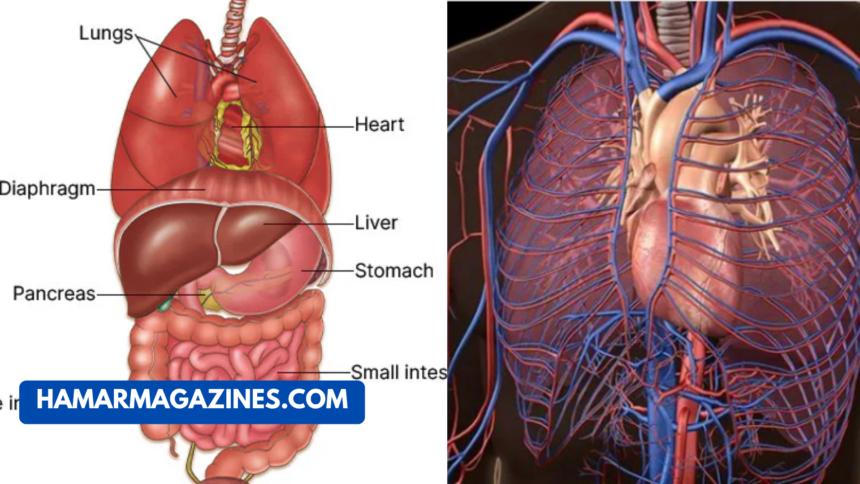
The term ozdikenosis has become popular on the internet because it sounds like a serious medical condition. Many people search “why does ozdikenosis kill you” because they think it is a rare disease that slowly damages the body. The truth is that there is no officially recognized illness called ozdikenosis in medical science. You will not find it listed in trusted medical books, hospital databases, or disease organizations. Still, the word continues to spread online because it sounds believable and mysterious.
What makes this topic interesting is that the explanations people give about ozdikenosis are often connected to real medical problems. Some describe it as a condition that causes organ failure, weakens the nervous system, or slowly shuts down body functions. These ideas sound frightening because real diseases can actually harm the body in similar ways. This is why so many readers become curious about why does ozdikenosis kill you and whether the danger behind it could somehow be real.
| Quick Fact | Details |
|---|---|
| Is ozdikenosis real? | No official medical evidence exists |
| Why is it trending? | Viral internet discussions and curiosity |
Many online stories describe ozdikenosis as a disease that attacks the body silently. People claim it affects energy production, breathing, and brain function. Even though these stories are fictional, they are inspired by real health conditions. Diseases involving the nervous system or organs can create symptoms that sound very similar. That is why readers often confuse internet myths with real science.
Another reason the topic spreads quickly is fear. When people see a medical-sounding word connected to death, they naturally want answers. Search engines are filled with questions like:
- “Can ozdikenosis kill you suddenly?”
- “Is ozdikenosis contagious?”
- “What causes ozdikenosis?”
- “How dangerous is ozdikenosis?”
These searches show how easily health myths can become popular online. In many cases, people are not only looking for facts. They are also trying to understand how serious diseases affect the human body.
“Medical misinformation spreads quickly when scientific words are mixed with fear and mystery.”
The internet has made it easier than ever for fictional illnesses to appear real. A made-up condition can go viral within days if enough people discuss it on social media, forums, or videos. Because ozdikenosis sounds similar to scientific terms used in medicine, many readers assume it must exist somewhere in the medical world.
Understanding this is important before exploring deeper questions like why does ozdikenosis kill you. While the disease itself may not be real, the body processes connected to the discussion — such as organ failure, oxygen loss, and nervous system damage — are very real and medically serious.
Why Does Ozdikenosis Kill You?
When people ask why does ozdikenosis kill you, they are usually imagining a condition that slowly weakens the body until important organs stop working. Most online explanations describe ozdikenosis as something that damages the nervous system, reduces energy inside cells, and interrupts normal body functions. Even though the condition itself is fictional, the ideas behind it are connected to real medical science. In real diseases, death often happens when the body can no longer supply enough oxygen, energy, or blood flow to organs like the heart, lungs, kidneys, and brain.
The human body depends on millions of cells working together every second. If these cells stop producing energy properly, organs begin to fail. Online descriptions of ozdikenosis often focus on this process. They claim the disease creates a chain reaction where weakness spreads through the body over time. Breathing becomes difficult, the brain loses control over important signals, and eventually the heart cannot continue functioning normally. This is why the phrase “why does ozdikenosis kill you” is usually linked to ideas like multi-organ failure and nervous system collapse.
| Body System | Possible Effect |
|---|---|
| Nervous System | Loss of body control and breathing problems |
| Heart and Lungs | Reduced oxygen flow and circulation |
Many people compare ozdikenosis to conditions that affect mitochondria, which are tiny structures inside cells responsible for creating energy. When cells cannot produce enough energy, muscles weaken and organs struggle to survive. Real diseases involving energy failure can become life-threatening because the body depends on constant energy production to stay alive.
A simple way to understand this is to imagine a city losing electricity slowly. First, small systems stop working. Then transportation, communication, and emergency services begin failing. Eventually the whole city shuts down. The body works in a similar way. When critical systems fail together, survival becomes impossible.
Another reason people fear ozdikenosis is because online stories describe it as a “silent” condition. This means symptoms may appear slowly at first and become serious later. In real life, many dangerous illnesses behave this way. Diseases involving the brain, immune system, or internal organs often start with mild fatigue or confusion before becoming severe.
“The body can survive small damage, but widespread organ failure becomes deadly.”
The idea behind ozdikenosis becomes believable because it mixes real biological concepts with fictional storytelling. That combination makes readers feel the condition could exist somewhere in hidden medical research, even though there is no scientific proof of it.
Symptoms Linked to Ozdikenosis
Descriptions of ozdikenosis symptoms usually begin with problems that seem small and harmless. Many online discussions mention tiredness, poor concentration, dizziness, and muscle weakness as early warning signs. These symptoms sound believable because they are common in real illnesses as well. People often ignore these early changes because they can easily be blamed on stress, lack of sleep, or everyday exhaustion.
As the condition supposedly becomes worse, symptoms grow more serious. Online stories describe trouble breathing, memory loss, shaking, chest pain, and confusion. Some versions even claim that ozdikenosis slowly damages the brain’s ability to control the body. While these claims are fictional, they are based on real symptoms seen in neurological and organ-related diseases. This is another reason why so many people continue searching for why does ozdikenosis kill you and how its symptoms progress.
One important detail in many stories is the idea of “silent progression.” This means the body may already be under serious stress before a person realizes anything is wrong. Real diseases can work the same way. Kidney disease, heart problems, and nervous system disorders sometimes develop quietly for years before becoming dangerous.
Some of the commonly discussed symptoms include:
- Extreme tiredness
- Brain fog
- Weak muscles
- Breathing difficulty
- Confusion or memory problems
- Poor coordination
These symptoms sound alarming because they affect everyday life directly. When a person struggles to think clearly or breathe comfortably, fear naturally increases. That emotional reaction is one reason mysterious illnesses gain attention online.
A fictional case often shared online describes a person becoming weaker over several months. At first, they experience mild headaches and fatigue. Later, they struggle with speech, balance, and breathing. Eventually, their organs begin shutting down. While this story is imaginary, it mirrors the progression of several real neurological diseases.
“Serious illnesses rarely appear all at once. Many begin with small symptoms people overlook.”
The growing curiosity around these symptoms shows how strongly people react to unexplained health fears. Even when a disease is fictional, the symptoms connected to it may still reflect real medical concerns.
Conditions Similar to Ozdikenosis in Real Medicine
Although ozdikenosis is not a recognized medical condition, many people compare it to real diseases that affect the brain, nerves, muscles, or organs. This is because the fictional explanations often borrow real scientific ideas. Some readers even believe ozdikenosis must exist because the symptoms sound so similar to actual illnesses doctors treat every day.
One major comparison is with mitochondrial diseases. These conditions affect how cells produce energy. Without enough energy, organs cannot function properly. The heart, brain, and muscles are especially vulnerable because they need constant power to work. Patients with severe mitochondrial disorders may experience weakness, breathing problems, seizures, or organ failure. This makes the fictional explanation behind why does ozdikenosis kill you seem more believable to readers.
Another group of similar illnesses includes neurological diseases such as ALS, Parkinson’s disease, and Huntington’s disease. These conditions slowly damage the nervous system over time. As nerve cells weaken, the body loses control over movement, breathing, speech, and coordination. Many online descriptions of ozdikenosis copy these symptoms almost exactly.
| Real Disease Type | Similarity to Ozdikenosis Stories |
|---|---|
| Neurological Disorders | Brain and nerve damage |
| Mitochondrial Diseases | Energy loss inside cells |
Autoimmune diseases are also sometimes connected to the discussion. In autoimmune conditions, the immune system attacks healthy tissues by mistake. This can create inflammation, pain, and organ damage throughout the body. Some fictional stories about ozdikenosis describe the immune system “turning against itself,” which sounds very similar to real autoimmune disorders.
Sepsis is another real condition people compare to ozdikenosis. Sepsis happens when the body has an extreme reaction to infection. Instead of protecting the body, the immune system causes widespread inflammation that damages organs. Without fast treatment, multiple organs can fail. This process is one of the most dangerous medical emergencies in hospitals.
What makes ozdikenosis feel realistic is that it combines several true medical ideas into one fictional condition. Readers recognize familiar symptoms and biological processes, so the story feels possible even without scientific evidence.
“Fiction becomes believable when it uses real science in the background.”
This is why critical thinking is important when reading health information online. Just because something sounds scientific does not mean it has medical proof behind it.
Can Ozdikenosis Be Treated?
Since ozdikenosis is not an officially recognized disease, there are no proven treatments or medical guidelines for it. However, many discussions online describe possible ways doctors might treat the condition if it were real. These explanations usually involve supporting damaged organs, improving oxygen levels, and slowing nervous system decline. Even though the disease itself is fictional, these treatment ideas are based on real hospital care methods.
For example, patients with serious neurological or organ-related illnesses often need breathing support, medication, physical therapy, and close monitoring. If the lungs begin failing, doctors may use oxygen machines or ventilators. If the kidneys stop working, dialysis may be necessary. These treatments do not “cure” every disease, but they help keep the body functioning for as long as possible.
One important lesson from the ozdikenosis discussion is the value of early medical attention. Real diseases are often easier to manage when symptoms are recognized early. Ignoring warning signs like constant fatigue, confusion, chest pain, or breathing problems can make conditions more dangerous later.
People can also protect themselves from misinformation by checking reliable medical sources. The internet is filled with viral health stories that sound convincing but lack scientific evidence. Reading trusted information from doctors, hospitals, and research organizations is always safer than believing rumors on social media.
A healthy approach includes:
- Checking symptoms with a medical professional
- Avoiding panic from internet myths
- Learning from trusted medical websites
- Understanding the difference between fiction and science
Many readers searching “why does ozdikenosis kill you” are really trying to understand how deadly diseases affect the body. In that sense, the topic can become educational if it encourages people to learn more about real health conditions and body systems.
“The best protection against health misinformation is reliable medical knowledge.”
Common Myths About Ozdikenosis
One of the biggest myths online is that ozdikenosis is a hidden disease being covered up by doctors or governments. There is no evidence supporting this claim. Medical science depends on research, testing, and published studies. If a dangerous condition like ozdikenosis existed, hospitals and researchers around the world would study it openly.
Another common myth is that ozdikenosis spreads between people like a virus. Some internet stories describe it as contagious, while others claim it is genetic. These stories change depending on where the rumor started. Because there is no real medical evidence, none of these claims can be confirmed.
Many people also believe ozdikenosis kills suddenly without warning. In reality, most serious diseases develop through a process. Symptoms may appear slowly before becoming severe. Sudden death can happen in some medical emergencies, but the body usually shows warning signs beforehand.
A popular online theory says ozdikenosis attacks only the brain. Others claim it only affects the heart or lungs. These contradictions show how fictional illnesses change constantly online. Real diseases are studied carefully and described consistently by medical professionals.
Some myths continue spreading because fear attracts attention online. A mysterious illness with dramatic symptoms creates curiosity and emotional reactions. Social media algorithms often push shocking content more quickly than calm scientific explanations.
“The more mysterious a health story sounds, the more carefully it should be questioned.”
Understanding these myths helps readers separate entertainment, rumors, and real medical facts.
Final Thoughts on Why Does Ozdikenosis Kill You
The question why does ozdikenosis kill you has become popular because it combines mystery, fear, and medical-sounding language. While ozdikenosis itself is not a real disease, the explanations connected to it are inspired by genuine biological processes like organ failure, nervous system damage, and energy loss inside cells. That mix of fiction and science makes the topic feel believable to many readers.
What truly matters is understanding the real lessons behind the discussion. Serious diseases can become deadly when the body loses its ability to control breathing, blood flow, or organ function. Conditions affecting the brain, heart, lungs, or immune system can create symptoms similar to those described in ozdikenosis stories. Learning how these systems work helps people understand why proper medical care and accurate information are so important.
The internet can spread health myths very quickly, especially when topics sound scientific or frightening. That is why readers should always question viral medical claims and look for trusted evidence before believing them. Curiosity is healthy, but reliable knowledge is even more important.
In the end, ozdikenosis may be fictional, but the fear behind it reflects real concerns about illness, survival, and how fragile the human body can sometimes be.
FAQs About Why Does Ozdikenosis Kill You
1. Is ozdikenosis a real disease?
No, ozdikenosis is not recognized by medical science or official health organizations.
2. Why do people think ozdikenosis is dangerous?
Because online stories describe symptoms similar to real deadly diseases.
3. Can ozdikenosis spread from person to person?
There is no evidence that ozdikenosis exists or spreads between people.
4. Why does ozdikenosis sound medically real?
The word sounds similar to scientific medical terms, making it believable.
5. What should I do if I experience similar symptoms?
Speak with a qualified healthcare professional instead of relying on internet myths.
Read more : Droven IO AWS vs Azure Comparison: Best Cloud Platform in 2026