

| Detail | Information |
|---|---|
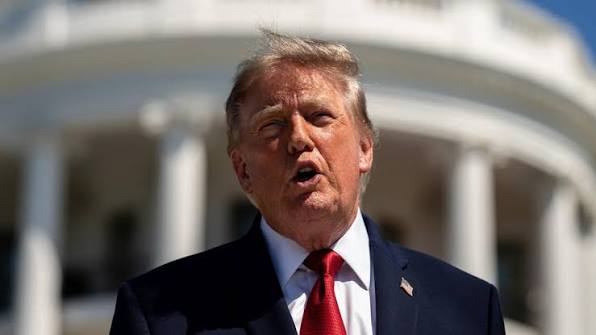
| Main Figure | Donald J. Trump |
| Born | June 14, 1946 |
| Hometown | Queens, New York |
| Current Role | U.S. President |
| Iran Policy | Military pressure, sanctions, negotiations |
| Main Flashpoint | Strait of Hormuz |
| Key Issue | Iran’s nuclear program and regional security |
| Diplomatic Status | Talks currently stalled |
| Major Development | 60-day interim deal expired in August 2026 |
| Current Focus | Economic pressure and maritime access |
Trump Iran Conflict: What Is Happening Now?
The Trump-Iran confrontation remains unresolved in August 2026.
A 60-day interim agreement expired on August 17.
The agreement aimed to restart broader negotiations.
It also addressed the Strait of Hormuz.
- Trump Iran Conflict: What Is Happening Now?
- Why Trump and Iran Keep Clashing
- Trump’s Iran Strategy Has Changed
- The Strait of Hormuz Became the Central Issue
- Sanctions Are Becoming Trump’s Main Pressure Tool
- The Nuclear Question Remains Central
- What Gulf Countries Mean for Trump’s Iran Policy
- Trump Iran Conflict and the Global Economy
- An Overlooked Angle: The Conflict Is About Leverage
- What Could Happen Next?
- 1. Renewed Negotiations
- 2. Continued Economic Pressure
- 3. Renewed Military Escalation
- 4. A New Maritime Agreement
- Frequently Asked Questions
- Is Trump currently negotiating with Iran?
- Why is Trump pressuring Iran?
- Why is the Strait of Hormuz important?
- Did Trump cancel an attack on Iran?
- Is the Trump-Iran conflict over?
- Final Takeaway
Trump said on August 18 that talks were not scheduled.
He also said the Strait remained open.
Iran has disputed that position and demanded concessions.
Those demands include sanctions relief and frozen assets.
Reuters coverage of the Trump-Iran standoff
Why Trump and Iran Keep Clashing
The dispute has several connected causes.
Iran and Washington disagree over nuclear restrictions.
They also disagree over sanctions and military activity.
The Strait of Hormuz adds another major pressure point.
The waterway is crucial for global energy shipments.
Any prolonged disruption can affect international oil prices.
It can also increase transportation and borrowing costs.
Trump has repeatedly used economic pressure against Tehran.
His administration has also relied on military deterrence.
That combination defines much of his Iran strategy.
Trump’s Iran Strategy Has Changed
Trump’s approach has shifted during the current confrontation.
At times, he threatened major military action.
At other moments, he emphasized possible negotiations.
On August 1, Trump canceled a planned attack.
He cited progress toward negotiations with Iran.
The decision showed his strategy remained flexible.
By mid-August, however, diplomacy had weakened again.
Trump announced that no talks were taking place.
Washington then emphasized additional economic pressure.
The White House’s July statement on Iran policy
The Strait of Hormuz Became the Central Issue
The Strait has become a major bargaining tool.
Iran says it controls access through the waterway.
Trump has claimed American forces control it instead.
This disagreement has consequences far beyond Iran.
The Strait carries a major share of global energy trade.
Shipping uncertainty can quickly affect energy markets worldwide.
The dispute also involves several Gulf countries.
Their economies depend heavily on stable maritime trade.
They therefore have strong reasons to prevent escalation.
Why the Strait Matters
- It connects the Persian Gulf with global shipping routes.
- Oil and gas shipments rely heavily on the passage.
- Disruption can raise global energy costs.
- Gulf states face direct security risks.
- Shipping companies must assess changing military risks.
Sanctions Are Becoming Trump’s Main Pressure Tool
Trump has increasingly emphasized economic pressure on Iran.
His latest campaign targets trade and financial activity.
He has also threatened countries doing business with Tehran.
This strategy reflects Trump’s broader negotiating style.
He often combines economic pressure with military threats.
The goal is forcing an opponent toward concessions.
Iran has experienced sanctions for many years.
Its leadership has repeatedly rejected demands for capitulation.
That makes economic pressure difficult to predict.
The Nuclear Question Remains Central
Iran’s nuclear program remains a core U.S. concern.
Trump has repeatedly opposed Iran obtaining nuclear weapons.
The White House has linked negotiations to that objective.
The disagreement is not limited to nuclear technology.
It also involves sanctions and regional military activity.
Those issues make any comprehensive agreement difficult.
A future agreement would likely require multiple concessions.
Both governments would need guarantees and verification mechanisms.
Neither side currently appears ready for easy compromise.
What Gulf Countries Mean for Trump’s Iran Policy
Regional allies have influenced Trump’s recent decisions.
Saudi Arabia, Qatar, and the UAE urged caution.
They feared wider conflict and energy disruption.
Their position creates a difficult balance for Washington.
They want American security support.
They also want regional stability and uninterrupted trade.
This explains Trump’s occasional preference for negotiations.
A wider conflict could damage friendly Gulf economies.
It could also create broader international economic consequences.
Trump Iran Conflict and the Global Economy
The confrontation is no longer only a diplomatic story.
It has become an economic issue for many countries.
Oil prices respond quickly to shipping disruptions.
Higher energy costs can increase inflation elsewhere.
Businesses also face higher transportation and insurance costs.
Reuters reported renewed market pressure amid stalled negotiations.
The uncertainty has affected oil and financial markets.
The biggest risk is prolonged uncertainty.
Markets generally dislike unpredictable supply disruptions.
That makes Hormuz especially important for global investors.
An Overlooked Angle: The Conflict Is About Leverage
The deeper story is not simply military confrontation.
Both sides are competing for negotiating leverage.
Trump wants pressure to produce Iranian concessions.
Iran wants pressure against America and its allies.
The Strait gives Tehran an important strategic bargaining tool.
That creates a complicated cycle.
Pressure → retaliation → economic disruption → negotiations → renewed pressure
This cycle explains why ceasefire efforts remain fragile.
Military strength alone cannot resolve every disagreement.
Diplomatic incentives also remain essential to any settlement.
What Could Happen Next?
Several outcomes remain possible in the coming months.
1. Renewed Negotiations
Mediation could bring Washington and Tehran back together.
Regional countries may continue pushing for diplomacy.
2. Continued Economic Pressure
Trump could prioritize sanctions over another major offensive.
That would keep economic pressure on Iran.
3. Renewed Military Escalation
A breakdown in diplomacy could trigger further attacks.
That possibility remains a major regional concern.
4. A New Maritime Agreement
The Strait could become central to another deal.
Its reopening could provide both sides with leverage.
Frequently Asked Questions
Is Trump currently negotiating with Iran?
As of August 18, Trump said no talks were happening.
He also said none were currently scheduled.
Iran has continued demanding conditions for broader negotiations.
Why is Trump pressuring Iran?
Trump wants Iran to accept major strategic concessions.
The nuclear issue remains particularly important.
Sanctions and regional military activity are also involved.
Why is the Strait of Hormuz important?
The Strait is a critical global energy route.
Disruption can affect oil markets worldwide.
It also directly concerns Gulf security and shipping.
Did Trump cancel an attack on Iran?
Yes. Trump announced the cancellation on August 1.
He cited progress toward negotiations as the reason.
Is the Trump-Iran conflict over?
No. The confrontation remains unresolved.
The June interim agreement expired without a lasting settlement.
Diplomatic prospects remain uncertain as tensions continue.
Final Takeaway
The Trump-Iran story is bigger than one military dispute.
It combines nuclear policy, sanctions, diplomacy, and energy security.
The Strait of Hormuz has become its biggest pressure point.
Trump still faces a difficult strategic choice.
He can increase pressure or pursue another diplomatic opening.
Iran faces similar pressure over its economy and security.
For now, neither side has achieved a lasting settlement.
That makes the Trump-Iran relationship one of 2026’s
Read more:IRS COVID Refund Deadline: Key Dates and Refund Rules