

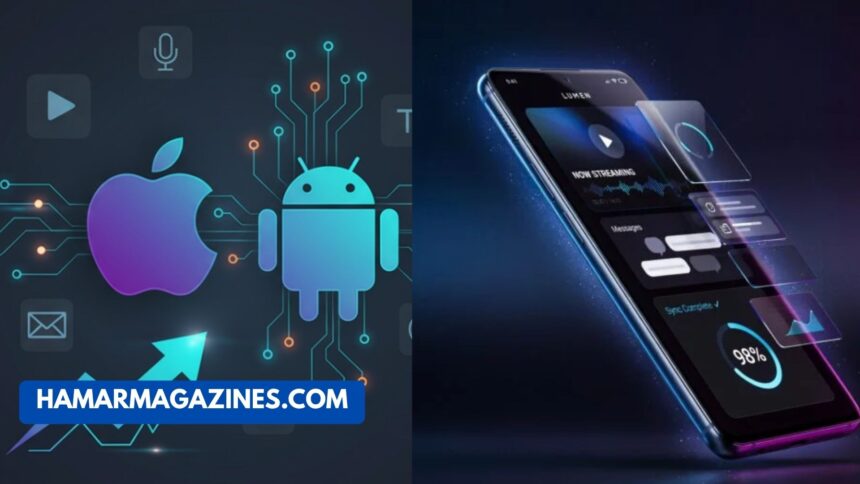
An application mobile DualMedia is a type of mobile application that combines different forms of digital content into one smooth experience. Instead of only showing text, images, or simple features, a DualMedia mobile application brings together multiple media formats such as videos, audio, graphics, animations, and interactive content.
- How Application Mobile DualMedia Is Different From Traditional Mobile Apps
- Why Application Mobile DualMedia Is Becoming Popular
- Multi-Format Content Integration in Application Mobile DualMedia
- Audio and Video Synchronization in DualMedia Mobile Applications
- Interactive User Experience Features
- The Technology Behind Application Mobile DualMedia
- Media Streaming and Content Delivery
- Role of Artificial Intelligence in DualMedia Applications
- Better User Engagement
- Improved Content Creation and Sharing
- Better Learning and Communication Experiences
- More Business Opportunities and Monetization Options
In simple words, an application mobile DualMedia allows users to experience information in more than one way. For example, a learning app can provide a video lesson, written notes, audio explanation, and interactive questions inside one platform. A shopping app can show product images, customer reviews, demonstration videos, and live interaction features together.
The main idea behind this technology is to make mobile experiences more engaging and easier to understand. People today spend a large amount of time using smartphones, and they expect apps to provide fast, interesting, and interactive content. A DualMedia application meets this demand by creating a richer connection between users and digital information.
The growth of smartphones, faster internet connections, and better mobile technology has increased the popularity of these applications. Businesses, educators, creators, and organizations are now using multimedia-based mobile apps to communicate with users in a more effective way.
“The future of mobile applications is not only about providing information; it is about creating experiences that users can interact with.”
How Application Mobile DualMedia Is Different From Traditional Mobile Apps
Traditional mobile applications usually focus on one main purpose. For example, a basic reading app may mainly provide articles, while a video app focuses only on watching videos. A DualMedia mobile application goes beyond this approach by combining multiple content types and creating a complete digital environment.
A user does not need to move between different apps to watch a video, listen to audio, read information, or interact with content. Everything is available inside one application, which improves convenience and user satisfaction.
| Traditional Mobile App | Application Mobile DualMedia |
|---|---|
| Usually focuses on one content type | Combines video, audio, images, and interactive features |
| Limited user interaction | More engaging and interactive experience |
| Simple content delivery | Rich multimedia experience |
| Less personalized | Can provide customized content |
For example, imagine an online education platform. A normal app may only display written lessons, but an application mobile DualMedia can include video explanations, voice instructions, animations, downloadable materials, and quizzes. This helps different types of learners understand information more easily.
Another important difference is user engagement. Modern users often prefer visual and interactive content because it feels more natural and easier to follow. DualMedia applications are designed around this behavior, helping brands and creators build stronger relationships with their audiences.
Why Application Mobile DualMedia Is Becoming Popular
The popularity of application mobile DualMedia is increasing because digital users want faster and more enjoyable experiences. People are no longer interested in only reading long information or using basic apps. They prefer platforms where they can watch, listen, explore, and interact at the same time.
Several factors are helping DualMedia apps grow:
- Increased smartphone usage worldwide
- Better mobile internet speed
- Growth of video-based content
- Demand for personalized experiences
- More businesses moving toward digital platforms
A good example can be seen in entertainment and education industries. Video lessons, podcasts, live sessions, and interactive tools have become common because they help users stay connected for longer periods.
Businesses also see value in DualMedia applications because they improve communication. A company can explain its products through videos, answer customer questions through live features, and build trust using interactive content.
The future of mobile technology is moving toward more connected and immersive experiences. Because of this change, application mobile DualMedia is becoming an important part of modern app development and digital communication.
Key Features of Application Mobile DualMedia Apps
An application mobile DualMedia is designed to provide users with a complete digital experience by combining different types of content in one place. The strength of these apps comes from their ability to manage multiple media formats while keeping the experience simple and enjoyable. Modern users want applications that are not only useful but also interactive, attractive, and easy to use.
A successful DualMedia mobile application focuses on smooth performance, clear design, and fast content delivery. Whether it is used for entertainment, education, business, or communication, the features inside the app decide how valuable the experience becomes for users.
Multi-Format Content Integration in Application Mobile DualMedia
One of the most important features of an application mobile DualMedia is the ability to combine different content formats. Instead of separating videos, images, audio, and written information, the app connects them together to create a complete experience.
For example, a travel application can include destination videos, image galleries, audio guides, maps, and written travel information. A user can explore everything without leaving the app.
Common content types used in DualMedia applications include:
- Video content
- Audio files and podcasts
- Images and graphics
- Text-based information
- Animations and interactive elements
This combination helps users understand information more quickly. Some people learn better through visuals, while others prefer listening or reading. A DualMedia mobile app supports different learning and communication styles.
Another advantage is that multimedia content can create stronger emotional connections. A video can show details that text cannot explain, while audio can make the experience more personal. This is why many modern brands and platforms are investing in multimedia-based mobile solutions.
Audio and Video Synchronization in DualMedia Mobile Applications
Audio and video management is another important part of an application mobile DualMedia. Users expect videos and audio content to work smoothly without delays, loading problems, or quality issues.
A well-developed DualMedia app ensures that different media elements work together properly. For example, when a user watches an educational video, the voice explanation, subtitles, graphics, and animations should appear at the correct time.
Important areas include:
- Smooth video playback
- Clear audio quality
- Fast loading speed
- Adaptive streaming quality
- Support for different screen sizes
This feature is especially useful for apps that depend on content delivery. Streaming platforms, learning applications, and business presentation apps need reliable audio and video performance to keep users engaged.
Poor media performance can quickly affect user satisfaction. If content takes too long to load or stops frequently, users may leave the application. Therefore, strong media optimization is a major part of creating a successful DualMedia mobile experience.
Interactive User Experience Features
A modern application mobile DualMedia is not only about showing content. It is also about allowing users to participate and interact. Interactive features make an app feel more personal and increase user involvement.
Many DualMedia apps include features such as:
- User comments
- Live conversations
- Polls and surveys
- Interactive quizzes
- Reactions and feedback options
For example, in an online learning app, students can watch a lesson and immediately complete a quiz. In a shopping app, customers can watch a product video and ask questions before making a purchase.
Interactive features help transform users from passive viewers into active participants. This creates a better connection between the application and its audience.
The Technology Behind Application Mobile DualMedia
The working system behind an application mobile DualMedia involves several technologies working together. Although users see only the final app interface, many technical processes happen in the background to deliver smooth multimedia experiences.
| Part | Purpose |
|---|---|
| Front-end design | Creates the user interface and app experience |
| Backend system | Manages data, accounts, and app operations |
| Media technology | Handles videos, audio, images, and streaming |
The front-end is the part users interact with. It includes buttons, menus, screens, and content layouts. The backend controls important functions such as storing user information, managing content, and connecting different services.
Media technology plays a major role because large files like videos and audio require proper handling. Cloud storage and content delivery systems help applications provide fast access to multimedia content.
Media Streaming and Content Delivery
A major challenge for an application mobile DualMedia is delivering high-quality content without slowing down the user experience. Since multimedia files can be large, apps need efficient systems to store and deliver information.
Modern DualMedia apps often use advanced streaming methods that adjust content quality depending on the user’s internet connection. This means a user with a slower connection can still access content, while users with faster internet can enjoy higher quality.
Important factors include:
- Faster content loading
- Reduced buffering
- Better video quality
- Efficient storage management
This technology allows millions of users to access digital content smoothly from their smartphones.
Role of Artificial Intelligence in DualMedia Applications
Artificial intelligence is becoming an important part of many DualMedia mobile applications. AI helps apps understand users and provide more personalized experiences.
Examples of AI usage include:
- Content recommendations
- Automatic subtitles
- Voice recognition
- Smart search features
- Personalized user suggestions
For example, a video learning app can recommend lessons based on what a user has already watched. A media app can suggest content according to viewing habits.
AI makes application mobile DualMedia platforms smarter and more user-friendly. Instead of showing the same content to everyone, the app can create a more customized experience.
Benefits of Using an Application Mobile DualMedia
Better User Engagement
One of the biggest benefits of an application mobile DualMedia is improved user engagement. When an app combines different media formats, users usually spend more time exploring and interacting with content.
A simple text-based application may provide information, but a DualMedia app creates an experience. Users can watch, listen, explore, and respond, which makes the interaction more memorable.
Improved Content Creation and Sharing
DualMedia applications also provide better opportunities for content creators and businesses. Instead of depending on one content format, they can communicate messages in multiple ways.
A brand can use:
- Videos for demonstrations
- Images for visual appeal
- Audio for storytelling
- Interactive tools for customer connection
This makes communication more powerful because different audiences consume information differently.
A good example is digital marketing. A company launching a new product can use a DualMedia app to show product videos, customer reviews, tutorials, and offers together. This creates a complete experience for potential customers.
Better Learning and Communication Experiences
Education is one of the strongest areas where application mobile DualMedia provides value. Learning becomes easier when students can access different types of explanations.
A lesson can include:
- Video demonstrations
- Audio explanations
- Written notes
- Interactive exercises
This approach supports different learning preferences and helps users understand difficult topics more clearly.
Teachers, training companies, and online learning platforms are using multimedia applications because they create more flexible and engaging learning environments.
More Business Opportunities and Monetization Options
Application mobile DualMedia also creates new opportunities for earning revenue. Businesses can use different models depending on their goals.
Common monetization methods include:
- Subscription plans
- Premium content
- Advertisements
- Paid features
- Brand partnerships
For example, a fitness application can offer free basic videos while charging users for advanced training programs. A media platform can provide premium content through monthly subscriptions.
Because users receive more value from interactive experiences, DualMedia apps often create stronger business opportunities compared to basic applications.