

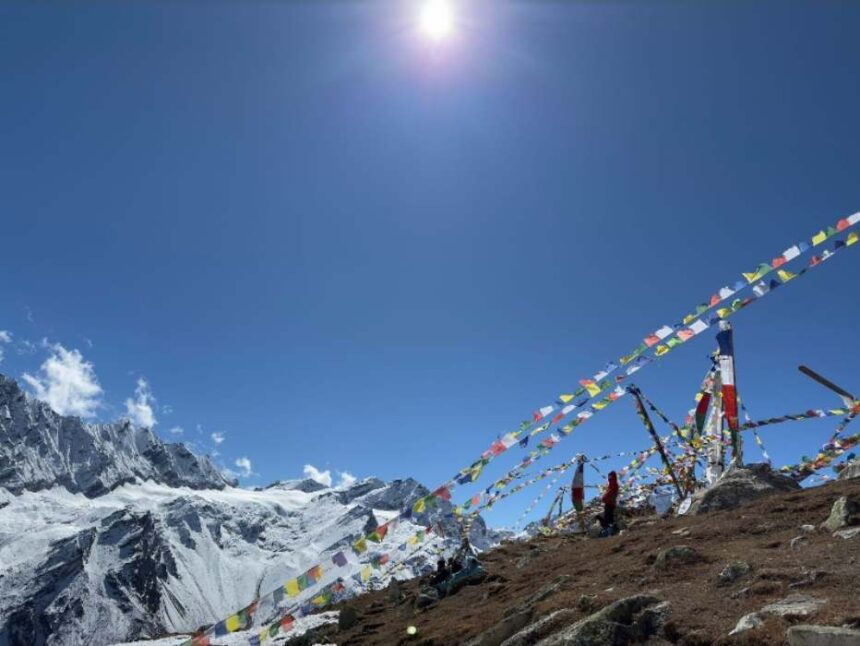
These days, plenty of people head into the mountains aiming for Everest, pulled by massive slopes, deep-rooted Sherpa culture, and routes ending at base camp – perched at 5,364 meters. Yet awareness fades when altitude climbs. Human systems shift as air grows thin up there. Preparation goes beyond strapping on gear and zipping up coats. Later, it becomes a problem when people wait too long to start preparing, trusting only their determination. Footwear misses the mark regularly – rigid soles, clothing holding moisture rather than releasing it.
- How Fit You Actually Need to Be
- Ignoring High Altitude Training and Understanding
- Preparing Too Late
- Poor Cardiovascular Conditioning
- Skip Strength Work Skip Legs
- Lack of Experience Hiking with Gear
- Poor Gear Choices and Testing
- Skip Meals Forget Water
- Overpacking Versus Underpacking: What You Need
- Ignoring Mental Preparation
- Failing To Consider Weather And Seasons
- Conclusion
Headaches creep in when the body gets too little time to adjust. The mistakes people made before can show clearer paths now. Sleep problems up high? Most stay quiet until they’re living it. Water sits close by, yet drinking enough somehow fades from thought. When phones die without service, paper maps sit folded and forgotten. Heavy effort must come first, then respect follows. Patience tangled with sweat shapes true preparedness. Gaps in understanding shrink once learning takes hold. Silence holds the peak, no loud alerts given. What gets missed before leaving often decides what comes after.
How Fit You Actually Need to Be
Most folks aiming for Everest Base rarely realize the level of fitness required. Even without scaling icy cliffs or using ropes, the path involves relentless walking, steep rises, since altitude builds steadily over days. Weak legs or poor breathing often lead to quick fatigue – possibly right at the start. Pushing through every section depends less on equipment, even with past trips, but far more on preparation done well before leaving.
Ignoring High Altitude Training and Understanding
High places can surprise those who aren’t prepared for the air getting thinner. As altitude increases, oxygen levels drop – without slow adjustment, health risks appear. Many assume their bodies will handle the shift automatically, skipping careful planning. Symptoms such as headaches or dizziness often arrive quietly, demanding notice. Fatigue that feels deeper than normal may signal trouble ahead. Moving upward with pauses lets physical changes happen safely along the way.
Preparing Too Late
Most climbers heading to Everest stumble right at the start by delaying training. Well before departure – weeks or even months out – preparation must already be moving. Without enough lead time, strength falls behind, breathing grows weak, attention slips away. When attempts are hurried, gains stay shallow, often dumping exhausted hikers halfway through. What builds gradually holds stronger, revealing itself most when the terrain turns rough.
Poor Cardiovascular Conditioning
Heart fitness usually gets ignored before big mountain climbs. Climbing slopes on peaks like Everest demands breath control that lasts many hours. Without training for endurance, hikers pant quickly, run out of steam, and recover poorly. Long walks on uneven ground help prepare – so does biking or running roads, beginning well ahead of time. Building pace gradually beats rushing in hard at first when aiming to go long.
Skip Strength Work Skip Legs
Strength training usually gets ignored during prep – especially legs and core. Everest treks mean jagged trails, steep climbs, stair after stair – all demanding solid muscle control. Weakness shows up quickly; it drags the pace down, raising injury odds too. Squats help. So do lunges. Stepping drills teach stability while boosting endurance across uneven terrain.
Lack of Experience Hiking with Gear
Heavy packs surprise most hikers who skip practice walks. That extra weight shifts everything – posture leans, stamina fades faster. Expect shaky footing unless you’ve walked miles loaded before the trip even starts. Muscles remember unbalanced strain too well without prep. Familiarity comes from repetition: shoulders adjust, hips settle, breath finds rhythm. Each training mile eases three on trail later. Load up early, stay steady when it matters.
Poor Gear Choices and Testing
Most problems start when mountaineers ignore testing their kit ahead of time. Ill-fitting footwear, clothing that traps no warmth, weak shelters – each can turn a climb harsh, even risky. Trying things out indoors helps avoid blisters, cold hours lying awake, and sluggish steps along tight paths. Getting far depends less on luck and more on using dependable tools tested well beforehand.
Skip Meals Forget Water
Thin air means your body works harder, so snacks must keep pace. Instead of waiting until hunger strikes, chew something every hour or two. Fluids slip away fast when breathing quickens – sip before thirst shows up. Tired legs care less about views if lunch is missing. A crumpled wrap at noon does more than a grand plan forgotten at home. Boots carry miles; calories carry boots. What sits in your pack often decides how far you go.
Overpacking Versus Underpacking: What You Need
Piles of gear often miss the mark before Everest trails begin. Hauling excess adds weight, which drains strength quicker than expected; skipping essentials risks being stuck cold or unprepared. Either mistake shifts how steady each step feels along rocky paths. Balance comes through picking just what proves useful – simple items built tough for high places where breathing slows.
Ignoring Mental Preparation
Most folks overlook readiness, yet it weighs heavily when trails get steep. Up high on Everest, shelter turns thin, storms bite, while legs keep moving mile after mile. Without mental prep, long grinds eat resolve by noon. Accepting bare basics, working the mind like iron – suddenly cold nights feel different. How you think reshapes what your bones endure.
Failing To Consider Weather And Seasons
Weather changes more than most recall as seasons shift. Heading toward Everest, a calm month often gives way to rough conditions soon after. Unprepared travelers sometimes arrive just as cold snaps hit during the night. Skies that seem clear at first may bring rain by week’s end. Sudden fog rolls in some seasons, catching people off guard. Looking back at old weather patterns helps travelers choose better clothing mixes. Their paths sidestep the heaviest downpours more often than not. Moving with the shifts in air and sky lowers danger steadily. When plans follow how things grow and fade outdoors, fewer hiccups show up.
Conclusion
Later begins usually mean hurried prep, so trail results suffer on sharp climbs. Strength counts since less oxygen needs tougher bodies to keep going. When climbers miss how altitude changes breath and stamina, they falter past simple stops along the route. Poor boots or broken clothing systems add danger if skies shift fast overhead. Some folks think only legs matter on steep trails.
Yet how someone handles stress often decides what happens higher up. More boots hit the trail yearly, making preparation a silent divider between finishers and those who quit by noon. Thinking through meals, rest stops, and weather shifts well before departure cuts down avoidable trouble later. You notice results not in shouts but whispers – calm air filling lungs at dawn, balance holding firm above drops, choices staying sharp when tired.